
Weight Loss and Belly Slimming: A Guide to Jogging and Aerobic Kickboxing for Fat Burning and Waist Reduction
Jogging: The Golden Exercise for Slimming Your Belly
2500 years ago, three profound sayings were inscribed on a cliff in ancient Greece: "If you want to be strong, run! If you want to be fit, run! If you want to be smart, run!" We repeat this today to ask you, young person: Did you run today?
In Western countries, the streets are filled with runners, young people exercising everywhere, morning and evening. In China, however, it's mostly middle-aged and elderly people over 50; you rarely see young adults exercising. This is most evident in the Beijing and Shanghai Marathons: besides foreigners and elderly people who refuse to grow old, how many young amateur runners do you see competing?
You might say, "I don't have time to exercise," or "I can't find the time," etc. But ultimately, it's due to a lack of emphasis on running. Did you know that running, especially jogging, is very effective in eliminating your belly fat?
Dr. John Uliott, the author of *Women's Running*, started running at the age of 30. As the author states, through consistent and targeted training, she, once obese, has transformed into a world-class track and field athlete, participating in marathons for the national team multiple times.
In the Chinese marathon arena, there is a "special figure" named Gao Zhipeng. He is considered "special" because two years ago he weighed 125 kg, but after a year of long-distance running training, he now weighs only 70 kg. He lost 55 kg in a year.
Of course, many people believe that running is unsuitable for obese individuals. Because obese people have excessive weight, their supporting organs, especially the ankles and knees, bear a greater burden during running. This argument has some merit, but it would be a pity to give up running for this reason, as the abdominal reduction effects of running or brisk walking are irreplaceable by other exercises. Therefore, what we need is not to give up running, but to focus on improving running techniques. If you have a large belly, please pay attention to the following points when running:
1. Gradual Progression: Running cannot be rushed. If you haven't exercised before and are overweight, it's recommended that you don't rush into running. You can start with brisk walking. You can also combine walking and running: walk for 2 minutes, run for 2 minutes, and continue for 30 minutes, until you can walk for 2 minutes, run for 15 minutes, and continue for 40 minutes to an hour. This period may need to last 4-6 weeks. After that, you can run continuously for 30-40 minutes or more. Sustained jogging burns more fat than short bursts of high-intensity exercise.
2. Running Gear: The most important piece of running gear is your shoes. If possible, choose a good pair of shoes. Remember to choose one size larger than your usual shoe size, because your feet will fully extend when running.
The advantage of running in place is that you can exercise indoors when it's windy, rainy, snowy, or for other reasons that prevent you from exercising outdoors. For example, after waking up, you can watch the news on TV while jogging in place, followed by a shower or sponge bath. This completes your daily exercise routine.
For jogging in place, choose a clean spot indoors, in a hallway, or on a balcony. Remove your shoes and socks and jog in place (this method is more effective). Relax your whole body while running; don't focus on high knee lifts or vigorous arm swings.
Simply lift both feet off the ground to complete the running posture. Start with 200 steps a day and gradually increase to 15 minutes daily. This will definitely provide fitness benefits. For those with abdominal obesity, it can help reduce belly fat.
You won't feel too tight or numb while running. It's best to buy shoes in the afternoon and wear athletic socks.
3. The road should be flat: Run on a flat road to avoid overburdening your motor organs. Key points: Maintain proper head and torso posture. Don't tilt your head forward, as this will cause your torso to lean forward and make breathing difficult; don't tilt your head back either, as this will cause your abdomen to protrude. When running, it's best to focus your eyes on a point 10-15 meters ahead.
4. Pay attention to your running posture: Keep your back straight, abdomen tucked in, head upright, elbows bent at 90 degrees, and hands not gripped too tightly. The key points are: Maintain a relaxed and unhurried pace, and breathe rhythmically. Avoid forceful arm swings; keep the arm swing as small as possible.
Land with your entire foot, meaning your foot lands suddenly and forcefully at the moment of impact. Don't worry about how your foot lands or which part of your foot lands first. This will help prevent muscle soreness after the first few runs. If you're used to landing on your heel first, you can place a soft pad under the heel of your shoe.
Actively swing your thighs, taking large strides, keeping your calves relaxed, and allowing them to swing freely in a pendulum-like motion. This ensures your legs are relaxed before landing. Remember, running with your whole body relaxed is a special way for your muscle groups to rest.
Aerobic Kickboxing: Fight Your Belly Fat
In the 21st-century urban jungle, a new tribe has emerged—the "Seated Generation." Their characteristics include: first, long hours spent staring at computer screens; second, commuting by car; third, habitually lounging on the sofa watching TV; and fourth, being confined to high-rise buildings, with most of their activity limited to a radius of only a few dozen meters.
For these individuals with large bellies, we recommend aerobic kickboxing. Almost all movements in aerobic kickboxing require balance and strength in the core, making it superior to any other form of exercise for the waist and abdomen. Therefore, it's perfect for those who sit for long periods, leading to fat accumulation in the waist and abdomen. With aerobic kickboxing, within a few months, flabby arms, a "spare tire," thick thighs, and a pear-shaped figure will be gone, and a fit body will reshape your healthy image.

Can eating smaller, more frequent meals really help with weight loss? A scientific explanation of the truth about appetite and hormones.
This article scientifically analyzes common misconceptions about the frequent small meals diet for weight loss, revealing how it may stimulate ghrelin secretion, intensify hunger, and thus hinder fat burning. Long-term use of this method is not conducive to effective weight loss and may even increase appetite. Understanding how hormones regulate appetite is crucial for finding a more scientific approach to weight loss.
2026-02-02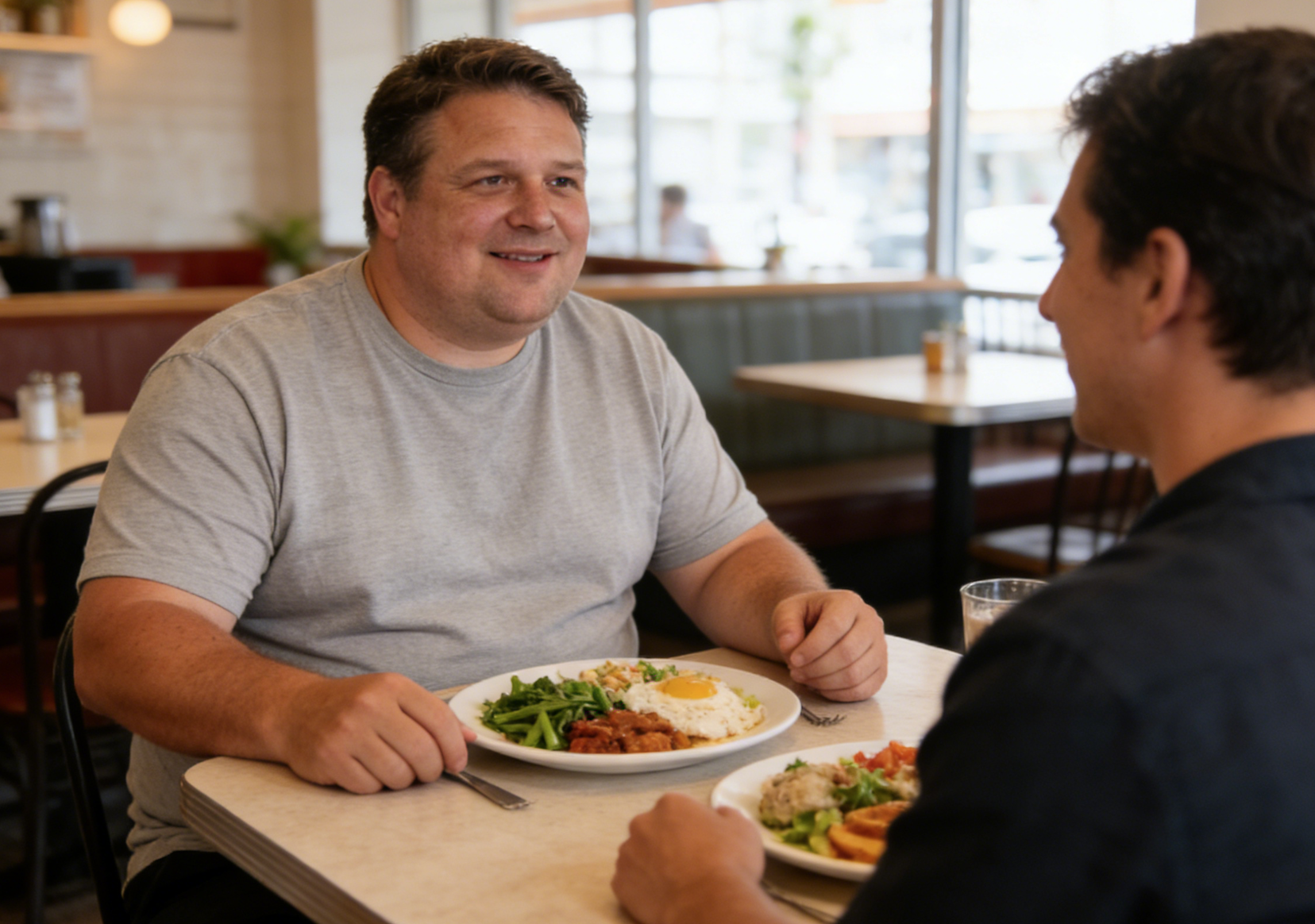
Is eating small, frequent meals for weight loss a misconception? Research reveals its multiple health risks.
This article provides an in-depth analysis of the actual effects of eating small, frequent meals as a weight-loss method, pointing out that it not only fails to accelerate metabolism or control appetite, but may actually stimulate overeating and disrupt gastrointestinal function. Scientific evidence shows that regular three meals a day are more conducive to healthy weight loss than eating small, frequent meals. Choosing the right eating pattern is fundamental to achieving effective weight loss and maintaining long-term health.
2026-02-02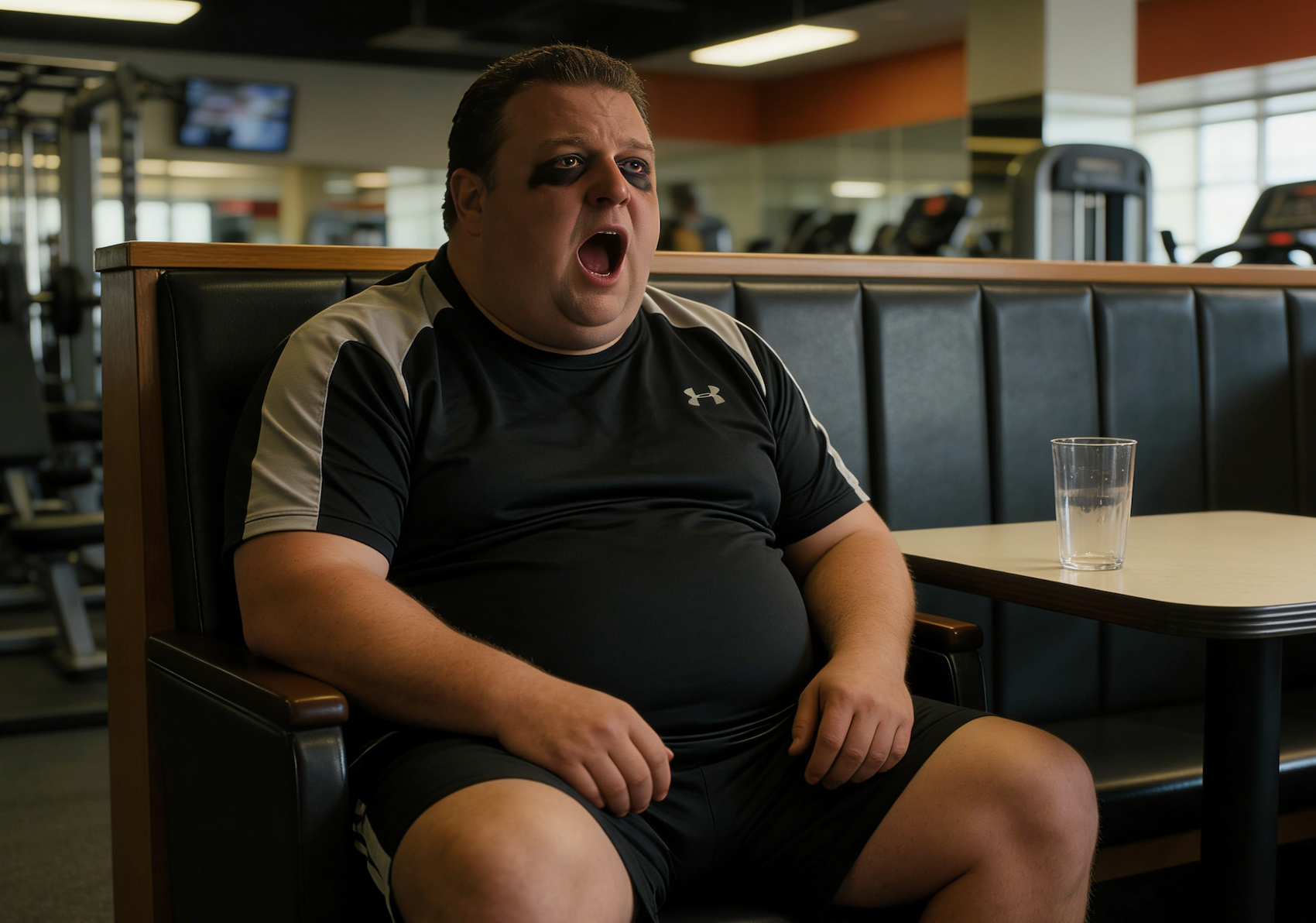
Why do you always crave food when trying to lose weight? 5 overlooked factors that influence appetite.
This article reveals five key factors that influence appetite: lack of sleep, protein deficiency, excessive stress, insufficient hydration, and medication effects. Understanding these factors scientifically can help effectively control excessive appetite, prevent failure due to hunger during weight loss, and achieve more stable weight management.
2026-02-26