
Weight Loss: Understanding the Principles of Body Fat and Calories for Easier Scientific Fat Reduction
How to Measure: You can arrange this measurement at a gym, doctor's office, or hospital. There, staff will use a caliper to examine your skin, weigh you in water, or apply a gentle electrical current through your body. While no one knows the exact percentage for sure, some experts say that for women, the optimal body fat percentage should be 18%–22%, 30% is considered borderline obese, and above 35% is considered obese.
Advantages: Finding out how much fat you have will tell you how healthy you are. The more you exercise and lift weights, the more muscle you'll develop, and the less fat you'll have.
Disadvantages: Unless you purchase specialized equipment and receive training, you cannot measure your body fat percentage at home. You must find a professional to provide this service and measure your progress. Even with a trained professional and the correct equipment, you may not get accurate results. Body fat is difficult to measure, so the results usually have at least a 3% margin of error. Furthermore, unlike waist-to-hip ratio and BMI, research has not yet proven what the ideal percentage of body fat is.
Recommendation
Since measuring body fat has inherent flaws and lacks a desirable, universally accepted standard, experts advise against using this method to measure weight loss.
The Mathematics of Food
When we don't weigh our bodies, we pay attention to our food. Here are some things we should and shouldn't consider.
Numerical Approach: Grams of Fat
Principle
Consuming fat is more likely to lead to weight gain than consuming carbohydrates or protein. This is because fat contains 9 calories per gram, while carbohydrates and protein each contain 4. Also, fat is more easily stored in fat cells than carbohydrates and protein. The body uses 3% of the calories from fat to store it, while converting carbohydrates into fat and storing them requires 23%. Therefore, no matter how closely you monitor calorie intake, only limiting fat intake will help with weight loss.
Advantages
Calculating how many grams of fat you consume daily is an extremely accurate way to understand whether you are sticking to your new diet plan.
Disadvantages: The calculations are too difficult. To achieve this, you must carry your fat-counting guide with you everywhere, along with a set of measuring cups and spoons. Every time you eat out, you must accurately understand the preparation process and the various portions and proportions. And you also have to keep a record of everything you eat so you can calculate the cost when you get home.
Recommendations: Don't you have anything better to do? Don't always calculate wherever you go. Instead, you should gradually eliminate fat from your daily diet. A good method you can try is to eat more low-fat whole grains, fruits, and vegetables. These foods will also fill you up. And, by replacing high-fat foods with them, the calorie intake will automatically decrease. In this book, you will find many other similar suggestions. Calculate your fat intake periodically to make sure you're making good progress. But don't let busy calculations cause you to miss out on enjoying life.
Numerical Approach: Calculating Calories
Principle: This is quite basic. Based on a proven scientific formula, one pound of stored body fat equals 3500 calories. In other words, losing 1 pound requires burning 3500 calories. Therefore, if you need to consume 2000 calories per day to maintain your current weight, then eating only foods that provide 1500 calories per day for a week will result in a 1-pound weight loss.
How to Calculate: Determine the calories you need to maintain your current weight. You can calculate it like this: First, measure and record every food you eat over two weeks. Then, use the instructions on the food label or a calorie guide to calculate how many calories each food contains. Add all the calories together and divide by 14. The final result is the number of calories you need daily to maintain your weight. Based on this number, decide how many calories you want to lose each day. For this method to work, you must calculate your daily calorie needs. Here are some simple calculations to help you.
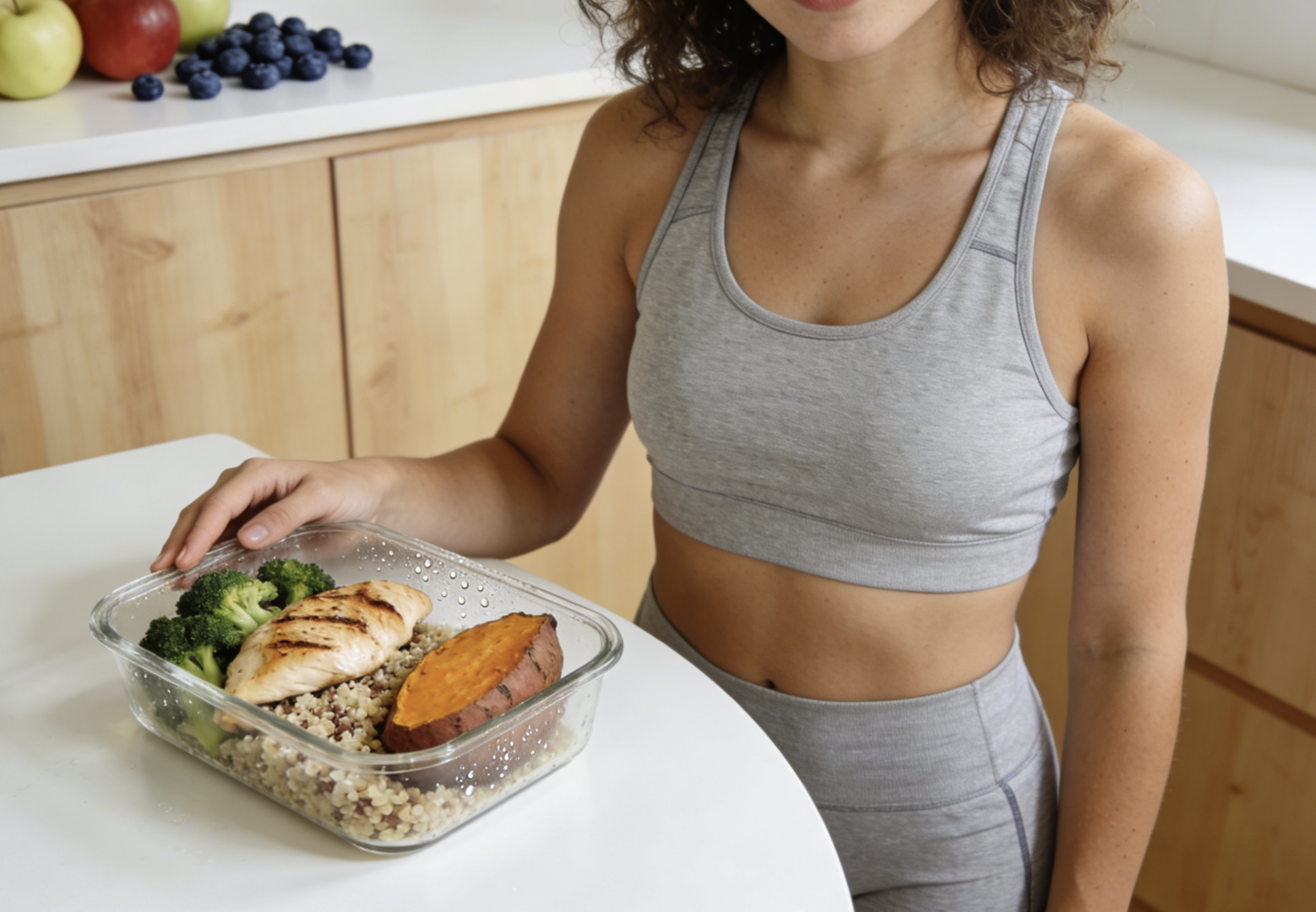
Weight Loss Diet: The Three Major Nutrients Ratio and the Fist-Palm Estimation Method
Scientifically balancing carbohydrates, protein and fat makes weight loss more effective. This article teaches you how to calculate intake and simple estimation methods, enabling effortless meal planning for a healthy and sustainable weight loss journey.
2026-03-06
Breaking Through Weight Loss Plateaus: Causes of Stagnation and Solutions
Hitting a weight loss plateau is common. This article analyses the true reasons behind weight stagnation and offers practical strategies for adjusting diet, exercise and hydration to help you overcome this bottleneck and continue your scientific weight loss journey smoothly.
2026-03-09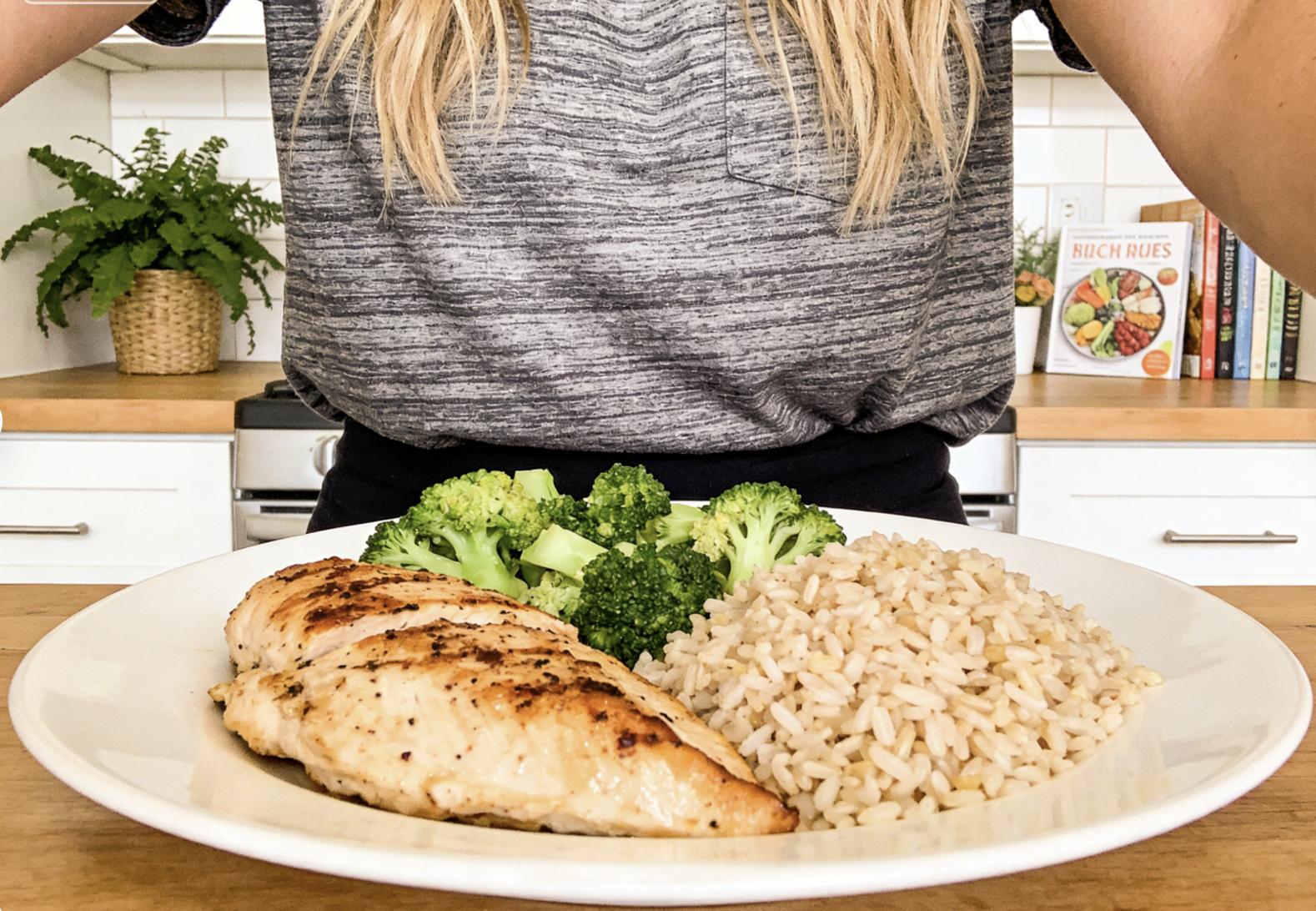
Weight Loss Meal Techniques: Practical Methods for Pre-Meal Appetite Control and Cold Rice Fat Reduction
To lose weight, consume bananas, sugar, or peanuts before meals to enhance satiety. Combine this with techniques like waiting longer between meals and eating cold rice to reduce nutrient absorption. This approach effortlessly reduces portion sizes, enabling stable and efficient weight loss.
2026-03-26