
Post-weight loss body shaping guide for women: Exercises for the waist, back, and buttocks
Goodbye to a Broad Back!
Problem: Loose back.
While the abdomen is difficult to shape with muscle-building exercises, the back can. This is because the back has a rich distribution of muscles that are rarely used in daily life, resulting in relatively soft back muscles for most women. After weight loss, these muscles become more visible, and if they lack exercise, they will appear even softer. If women are concerned about their back appearance, they can try exercises to strengthen these muscles.
Maintaining proper posture also helps shape the back. Whether sitting, standing, or walking, maintain an upright posture with your chest out and abdomen in. This not only strengthens the back muscles but also helps to sculpt a healthy, natural, and perfect figure over time.
Sculpting the Buttocks: Achieve a Charming, Perky Butt
Problem: Sagging buttocks.
A normal, healthy buttock should have a certain curve between it and the crease at the base of the thigh, making it appear firm and graceful. However, many women lose this curve after losing fat (and some don't), leaving their buttocks directly covering their thighs. When wearing pants, it looks like two pieces of flesh are stuck to their thighs.
This is mainly because the supporting tissues of the buttocks become loose. Why does this happen? For example, if you have a tight-fitting T-shirt and lend it to someone heavier than yourself for a while, can you still wear it when you get it back? Of course not, because it has been stretched out and no longer fits. Similarly, before losing fat, the supporting tissues of the buttocks are stretched and deformed by fat. After losing fat, the buttocks may be less bulky, but the supporting tissues don't shrink back as quickly, leading to sagging.
For some women, the reason for sagging buttocks is even simpler: excess fat causes the supporting tissues to give way, resulting in sagging.
So, how can you make your buttocks firmer and more lifted? Unlike the chest, which lacks muscle support, the buttocks are full of muscles—a muscle group composed of the gluteus maximus, gluteus medius, and others. These muscles strengthen the buttocks, allowing us to sit for long periods without feeling tired. The gluteal muscles also support and lift excess fat in the buttocks. Therefore, the best way to achieve an attractive, lifted butt is to exercise and strengthen the gluteal muscles. There's also a very simple way to shape your buttocks: the standing buttock lift. Stand on your tiptoes, consciously lift your buttocks upwards, and then slowly lower your heels. This exercise also strengthens the gluteal muscles, making the buttocks more lifted. This exercise can be done casually, for example, while standing at work; you can sneak in a few repetitions—it's very convenient.
Another reason for an unattractive buttock shape is a lack of fat in the buttocks. Some women have excessively little fat in their buttocks, even resulting in a sunken appearance. However, this has nothing to do with fat loss, because no matter how much fat you lose, you won't develop a sunken buttock. This is mainly a genetic issue. In this case, autologous liposuction is actually a suitable option. The method involves extracting excess fat from the body and injecting it into the buttocks. Simply relying on exercise is not very effective.
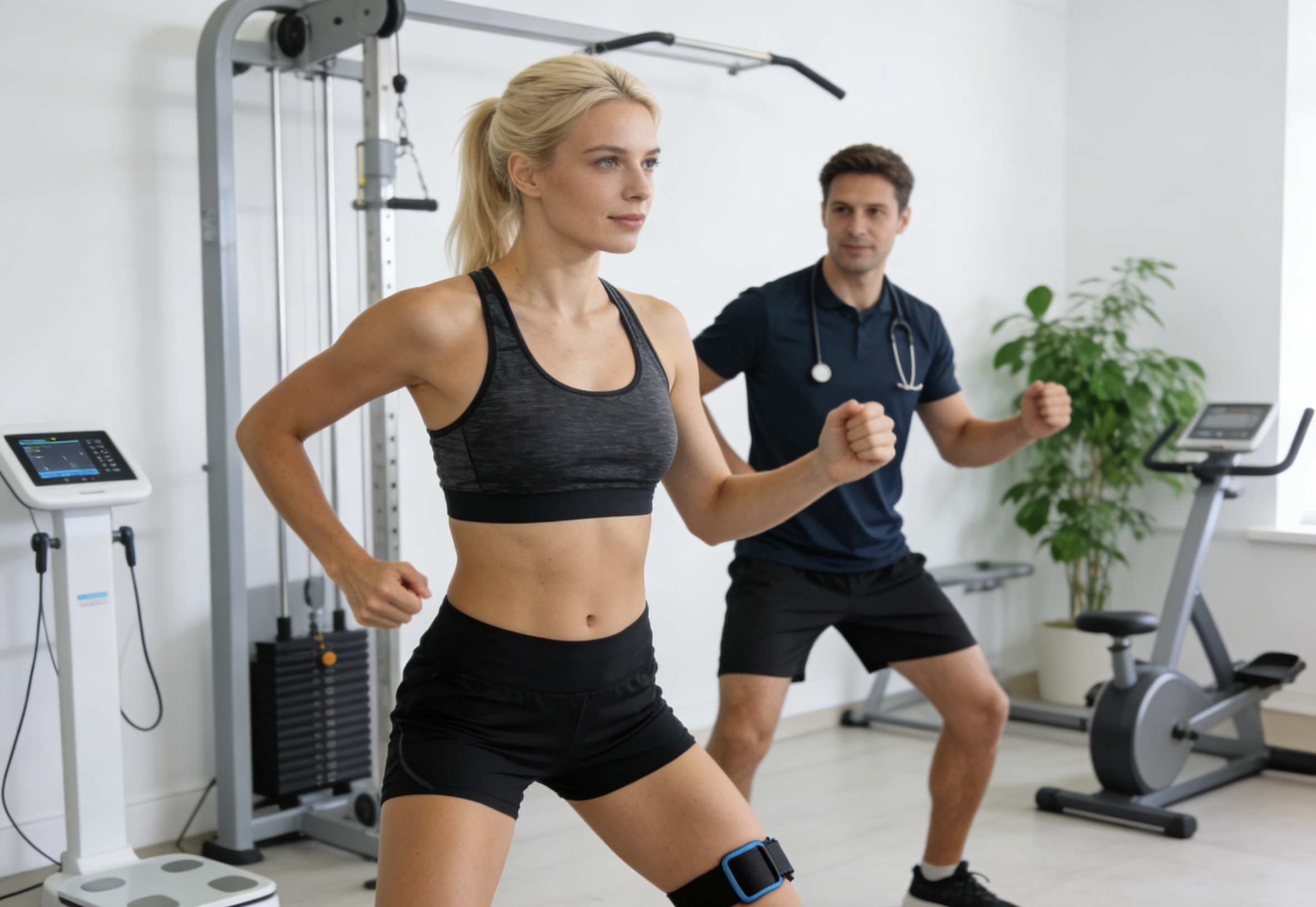
Abdominal massage and dancing for weight loss: two fun ways to slim down
Abdominal self-massage promotes blood circulation and burns fat through pressing and kneading, effectively eliminating belly fat; dancing, especially disco, involves high-intensity exercise that burns a lot of energy, thus aiding weight loss. Try these two fun weight loss methods to make the slimming process easier and more enjoyable.
2026-03-24
Weight Loss Myths: Fat Loss vs. Muscle Gain – A Scientific Guide to Body Sculpting
Many agonise over whether to prioritise fat loss or muscle gain first, yet the approach differs based on individual weight goals. This article guides you in strategically planning your journey to efficiently advance weight loss while sculpting your physique, scientifically crafting your ideal shape.
2026-03-25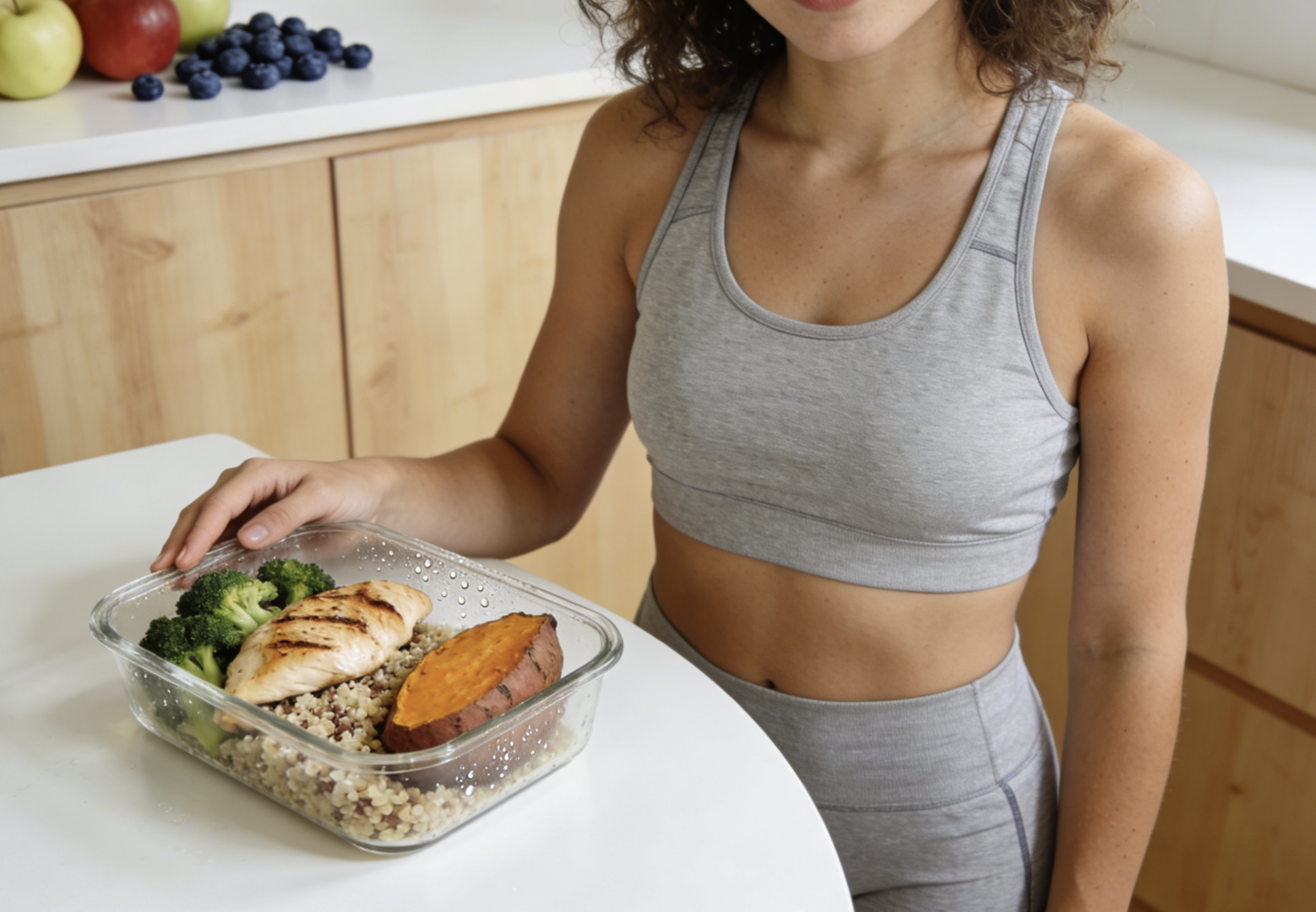
Weight Loss Diet: The Three Major Nutrients Ratio and the Fist-Palm Estimation Method
Scientifically balancing carbohydrates, protein and fat makes weight loss more effective. This article teaches you how to calculate intake and simple estimation methods, enabling effortless meal planning for a healthy and sustainable weight loss journey.
2026-03-06