
Leg Shaping Guide for Women After Weight Loss: Creating Perfect Leg Curves
Leg Shaping: How to Achieve Dream Legs
Problem: Uneven leg curves.
From a doctor's perspective, healthy legs are those without blemishes, fractures, pain when walking, or other medical conditions.
However, for women, simply meeting these requirements is not enough. Every woman desires a pair of alluringly curved legs.
There are four main factors that determine leg shape. First, a properly aligned pelvis; second, a proper fat ratio between the inner and outer thighs; third, firm, curved calves; and finally, the shape of the ankles.
Let's start with the pelvis. Simply put, the pelvis consists of the bones in the hips. It supports the weight of the upper body and is closely connected to the thighs. The alignment of the pelvis is mainly determined by daily standing and sitting postures. Especially for adolescents during their growth period, maintaining proper posture is crucial for achieving a beautiful pelvis. Many people, starting in their adolescence, maintain improper posture while walking, standing, sitting, and lying down. Over time, this can lead to pelvic misalignment, affecting the aesthetics of the entire leg.
Pelvic misalignment primarily compresses the femur. Commonly, the femur tends to open outwards, which in turn causes the pelvis to grow outwards, resulting in a loss of definition in the buttocks. Because the femur is displaced outwards, the muscles in the front of the thigh are constantly under tension and pressure, while the muscles in the back tend to relax and accumulate fat. This imbalance in the muscle-to-fat ratio of the thigh affects its appearance.
This is why some women have thighs that appear firm on one side but loose on the other. In severe cases, it can lead to instability in the thigh's center of gravity, causing a series of negative chain reactions in the calves, ankles, and other areas, making the legs increasingly unattractive.
There aren't many ways to correct pelvic shape except by maintaining proper posture while standing and sitting. When standing, maintain an upright posture, avoiding any tilting or leaning. This allows the pelvis to evenly support your body weight. Some people, to save energy, shift their weight onto one foot while standing, resulting in a tilted posture. This tilts the pelvis, which over time can alter the shape of the bones and muscles, hindering body shaping. When sitting, also pay attention to posture. Sit upright in your chair, with your center of gravity evenly distributed between your thighs. Avoid tilting your body or constantly using one arm to support your head.
Next, let's discuss thigh shaping. After overall fat loss and initial shaping, the excess fat in your legs should have decreased significantly, but the thigh definition may still be lacking.
To develop beautiful leg muscles, you can do exercises that primarily target leg muscles, such as jogging or cycling. You can also perform cycling motions in bed. Lie flat on your back, raise your legs, and mimic the motion of riding a bicycle, alternating leg movements. This can exercise multiple leg muscles.
In addition, the breaststroke provides a thorough workout for both the thighs and waist, making it an excellent leg-shaping exercise.
It can also be used for specific leg muscle training. Women with less-than-perfect leg curves can try these two exercises.
Now, let's talk about the calves. Actually, most women who have lost fat don't have too much muscle in their calves; rather, they have overdeveloped muscles, leading to thicker calves, and some even have irregular shapes. This is because many women love wearing high heels. When wearing high heels, the posture requires the calves to be in a state of strain for a long time, which is equivalent to exercising the gastrocnemius muscle (commonly known as the calf muscle). Therefore, shaping the calves mainly involves reducing the wearing of high heels and preventing the calf muscles from becoming enlarged.
Furthermore, some women may experience calf swelling due to overexertion. A way to check this is to press the flesh on the calf with your finger. If it forms an indentation that doesn't easily spring back, it indicates swelling. In this situation, you can take some ginger slices, boil them in water, and then pour the ginger water into a basin of hot water to soak your feet for about 20 minutes. The gingerol in the ginger water can stimulate the breakdown of subcutaneous fat, promote blood circulation and metabolism, which can help reduce swelling in the calves and improve symptoms of cold hands and feet.
Finally, let's talk about the ankles. Many women like to wear sandals and high heels, so they pay attention to the shape of their ankles. The biggest problem with ankles is that they are prone to swelling. To deal with ankle swelling, you can refer to the ginger foot soak method mentioned above. When you are tired from work, you should move your ankles more. You can also massage your ankles with your hands to accelerate blood circulation, which can help reduce swelling.
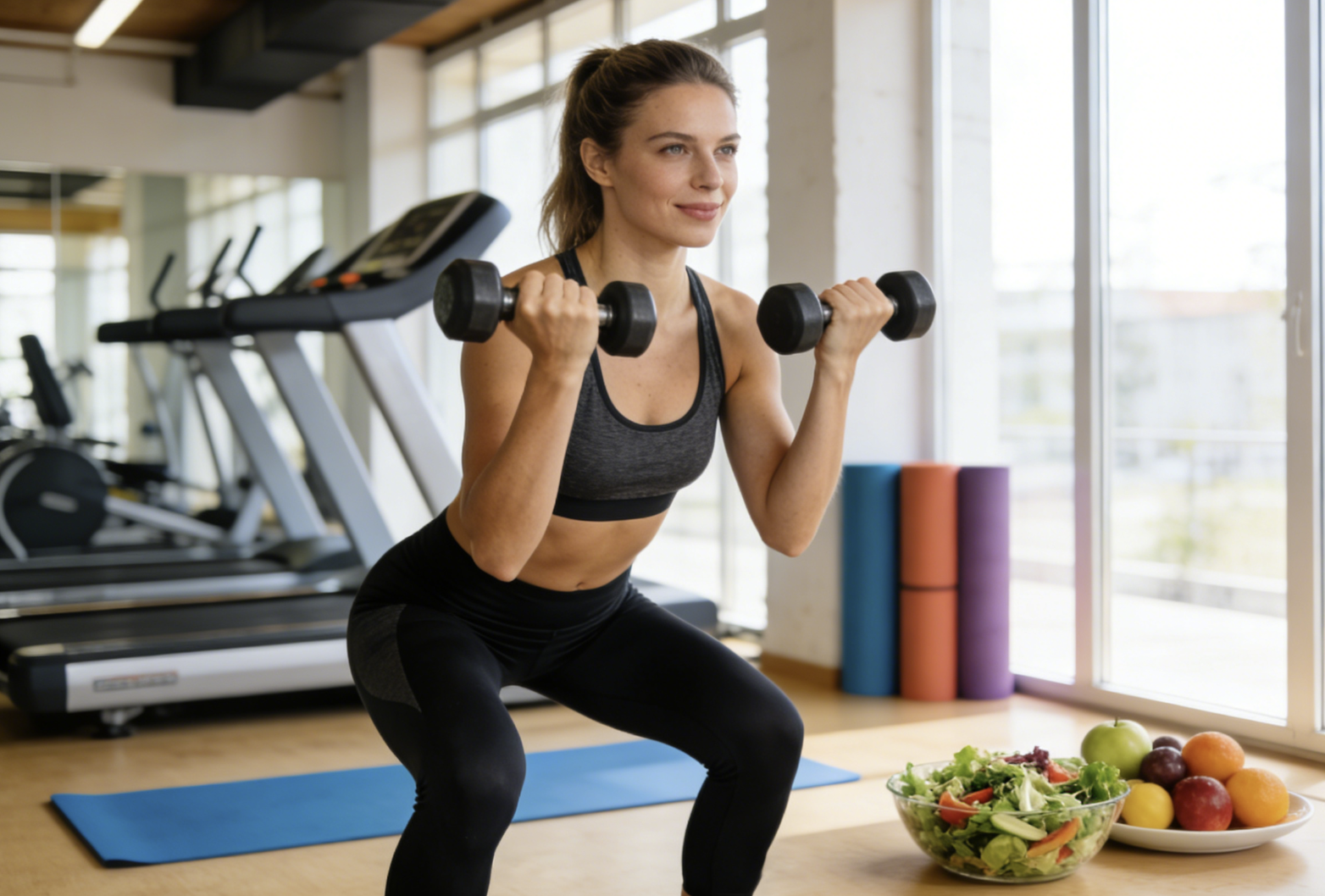
Understanding Muscle Strength Principles and Scientific Training to Improve Fat Burning Efficiency
Master the sources and training principles of muscle strength, rationally train large muscle groups to boost metabolism, aid in weight loss, safely build muscle without harm, and make weight loss more efficient and sustainable.
2026-04-01
Combining Height Development Patterns with Scientific Exercise and Nutrition
Understanding the factors that influence height, such as genetics, nutrition, and exercise, and using appropriate exercise and diet during the growth stage to aid weight loss, balancing height increase and fat reduction, making weight loss healthier and more scientific.
2026-04-01
Weight Loss: Developing Good Lifestyle Habits to Promote Height Growth and Healthy Fat Reduction
Maintaining correct posture, regular sleep patterns, and scientific exercise, combined with height prediction knowledge, can help with weight loss, balancing physique and health during growth and development, making weight loss safer and more effective.
2026-04-01