
Weight Loss and Belly Slimming: Beware of the Risks of Liposuction and Diet Pills - Scientific and Healthy Fat Reduction
Liposuction for Abdominal Reduction: A Mere "Superficial Solution"
Ms. Han underwent liposuction at a plastic surgery hospital. However, fate played a cruel trick on her. Shortly after the surgery, abnormalities began to appear on her abdomen. Her entire abdomen became uneven, crisscrossed with grooves, and the protruding scars were incredibly itchy, making it impossible to wear a belt. Unable to tolerate her uneven belly, Ms. Han decided to sue the hospital. The hospital hurriedly brought in a plastic surgeon to perform a free "repair," hoping to "settle" Ms. Han's lawsuit and the abdominal scars. Although the condition of her abdomen improved somewhat after the second surgery, it could never be completely "smoothed out." Ms. Han paid a heavy price for beauty. Is liposuction really as quick and worry-free as some advertisements claim?
The answer is no. Liposuction involves making a small incision in an area of the body with excess, hidden fat. A cannula connected to a negative pressure suction device is inserted under the skin to remove excess fat cells from that area, reducing the number of fat cells by 50% to 60% for a quick cosmetic effect. However, liposuction only removes subcutaneous fat and has no effect on visceral fat. Visceral fat accumulation is the main cause of fatty liver and high cholesterol. Subcutaneous fat has the least impact on health; liposuction only reduces weight and has no preventative or remedial effect on obesity-related health problems such as cardiovascular disease and diabetes.
Furthermore, liposuction is not a "one-time fix" as some medical advertisements claim. While the number of fat cells decreases after liposuction, their size can also increase. If diet and exercise are not carefully managed after the procedure, weight regain is likely. Therefore, liposuction is at most a cosmetic surgery and does not actually lead to weight loss, nor does it significantly improve health. For those who are excessively obese, it is advisable to consult a doctor and nutritionist for proper weight loss methods. A balanced diet and appropriate exercise are the best ways to achieve weight loss without harming health. If there are areas where fat is difficult to reduce, liposuction can help achieve a more ideal figure.
In short, liposuction is a professional surgical procedure. It is extremely dangerous to undergo liposuction at any beauty or weight loss center without proper assessment. If the procedure is poorly performed, too little fat will remain, while too much will leave loose skin covering the flesh, resulting in an increasingly unnatural appearance – a net loss.
Furthermore, excessive blood loss during liposuction can cause lifelong regret.
Therefore, liposuction should only be considered after all other weight loss methods have failed. Moreover, it is crucial to have a qualified doctor at a reputable hospital conduct an evaluation before proceeding. Do not act rashly and gamble with your life.
Who is a suitable candidate for liposuction?
1. Good health, without serious internal medical conditions such as hypertension, coronary heart disease, diabetes, or coagulation disorders, and without local skin infections.
2. There is no obvious age limit for liposuction, but the most common age range for liposuction is 18-55 years old.
3. If the obesity is caused by endocrine disorders, simple liposuction is not suitable; a systematic examination and treatment at a hospital are necessary.
4. Localized fat accumulation affecting appearance and function, such as excessive obesity affecting bending over or dressing. The most common areas include: upper abdomen, lower abdomen, buttocks, back, thighs, calves, and neck.
Think carefully before taking medication to reduce belly fat. A 29-year-old woman in the United States died after using diet pills for 23 days. The autopsy revealed that the diet pills induced cardiovascular disease, leading to her death.
A 27-year-old Singaporean Mediacorp artist, Ellie, felt her figure was not perfect enough and bought a diet pill. Two months later, she was diagnosed with kidney failure and was in critical condition. Wang Ting, a teenage girl in Shanghai, suddenly died after taking large amounts of a weight-loss drug that has long been banned by the state.
Tian Cui, a girl in Harbin, found an advertisement for a "miracle weight-loss drug" and, overjoyed, immediately bought a course of treatment from a pharmacy. After a month of use, she experienced loss of appetite and aversion to food. After being hospitalized, she was diagnosed with severe iron-deficiency anemia, and the doctor told her to stop using the drug immediately.
The weight loss and waist circumference reduction achieved by weight-loss drugs do not correspond to the advertised weight loss and are not true weight loss. Medically defined weight loss should include increasing muscle mass, reducing fat mass, and improving organ function. Blindly taking weight-loss drugs only consumes some body fat while simultaneously depleting the body's muscle mass, which is essential for health. Over time, this will inevitably lead to exhaustion, decreased organ function, and in severe cases, anorexia, severe malnutrition, and even death.
Therefore, you don't need medication to lose your belly fat. If you do want to use it, remember two points: first, only consider medication if diet and exercise are ineffective; second, even with medication, you cannot neglect diet and exercise. Otherwise, relying solely on medication while continuing to overeat will definitely not yield ideal results. Furthermore, the safest weight loss is 1-3 kg per month, a gradual, progressive decrease. The most dangerous situation is rapid, repeated weight loss and rebound, fluctuating wildly. This not only weakens the immune system and causes muscle relaxation but also accelerates aging.
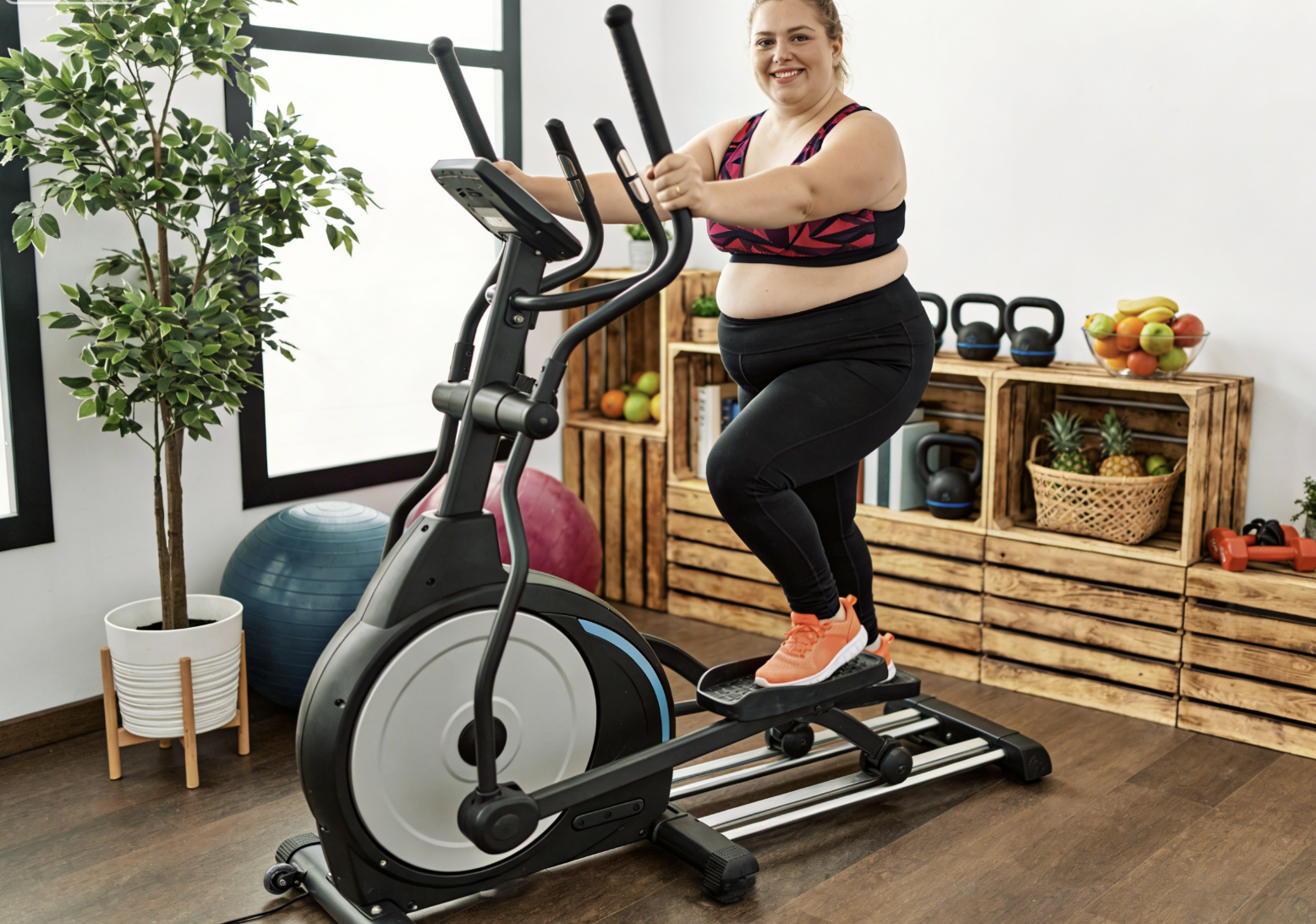
Weight Loss and Belly Slimming: Scientifically Determining Obesity Standards and Choosing Healthy Fat Reduction Methods
Based on factors such as obesity level and subcutaneous fat thickness, this course scientifically determines whether fat reduction is necessary, employs reasonable methods to improve body shape, assists in weight loss, ensures safe fat reduction without harming the body, and makes weight loss more efficient and sustainable.
2026-03-30
Weight Loss: Focusing on Abdominal Fat Reduction, Scientific Exercise for a Healthy Body
Abdominal fat accumulation poses significant health risks. Adhering to targeted exercise and scientific methods effectively aids in weight loss, precisely burning fat and protecting health, making weight loss more efficient and safer.
2026-03-30
Weight Loss and Belly Fat Reduction: Scientific Exercise for Fat Burning, Muscle Building, and Efficient Fat Reduction
Consistent aerobic exercise and resistance training can shrink fat cells and increase muscle mass, aiding in weight loss. Choosing the right exercise method scientifically makes weight loss healthier and less prone to rebound.
2026-03-30